Fire and Storytelling
We are either utterly screwed or about to enter an era of creative abundance

It’s hard to know which human activity came first, the discovery of fire, or the emergence of storytelling. Whichever it was, it was tens of thousands of years ago and we’ve been happily burning stuff and telling stories ever since
The reason I connect the two is possibly from seeing classic 1960’s children’s encyclopedia illustrations of neolithic people in a cave. Dressed in fur, sitting around a fire, one of them, always a man, standing up and pointing at a painting of a buffalo on the wall of the cave. His mouth is open, he’s telling a story.
Whatever the reality, it’s obvious human beings have made up stories, and repeated them, for thousands of generations. The Bible, Koran and Mahabharata etcetera are perfect examples of when people started to write down the stories they had made up and repeated for generations.
We’ve all grown up with the modern ways of telling stories, theatre, books, radio drama, TV drama, movies and now, well now, AI generated imagery?
Is this just another tool we can use to tell a story? I truly don’t know but the capabilities are mind-melting.
At the same time as these extraordinary developments are happening, we are entering a period that could herald the end of fire. (Obviously not natural fires, bush fires, forest fires, we are all lumbered with those in part due to the amount of stuff we’ve burned.)
If you think about it for a moment, we have been 100% reliant on fire for the last 50,000 plus years. Okay, it might have started with a few sticks on the ground in a cave, but that eventually turned into a more contained fire that boiled water, heated a rudimentary oven or roasted meat.
More recently we used fire to produce steam and change the world with steam power in factories and trains. We used coal, and more recently oil and gas, to make steam, drive a turbine, spin a generator and produce electricity.
We used fire to produce iron, steel, glass, cement and thousands of other products. We are very good at using fire. Fire, along with farming, are the very foundation stones of the world we now inhabit.
The teeny tiddly downside is, in order to use all this fire, you need something to burn.
And sadly there’s another couple of complications. You can only burn stuff once, and when you burn that stuff, it transforms into poisonous gasses and ash. Slightly awkward, just ignore it.
So literally in the last 20 years we’ve witnessed the emergence of new technologies that do not require burning, and they are having a huge impact on economies, poverty, equality and of course are being fought against by the industries and corrupt politicians who benefit from us continuing to burn stuff.
So that’s the fire side of the changes.
Storytelling, as I said at the start, is as old as the human race. The way we tell stories has changed over the centuries, but we still do it.
And just like with the technology that can produce power without burning stuff, we now have the power to tell stories by giving a list of instructions to a couple of million computers and in a few seconds, out pops a totally new story.
And I’m not talking about a written story here. I’m talking about visual storytelling, a movie or TV show. Something we watch on a screen.
There will now be a torrent of these films produced, for one very simple reason.
Money.
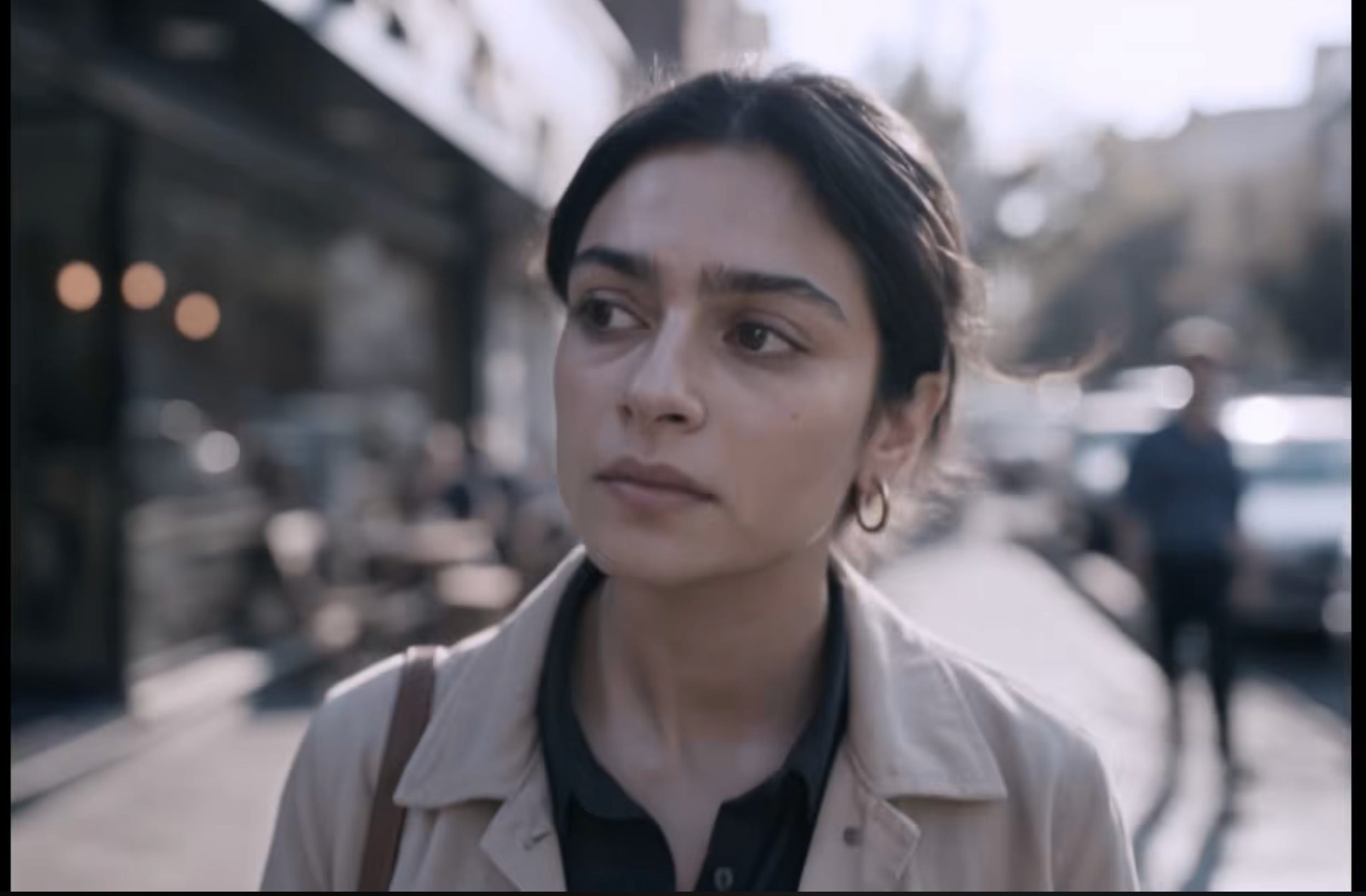
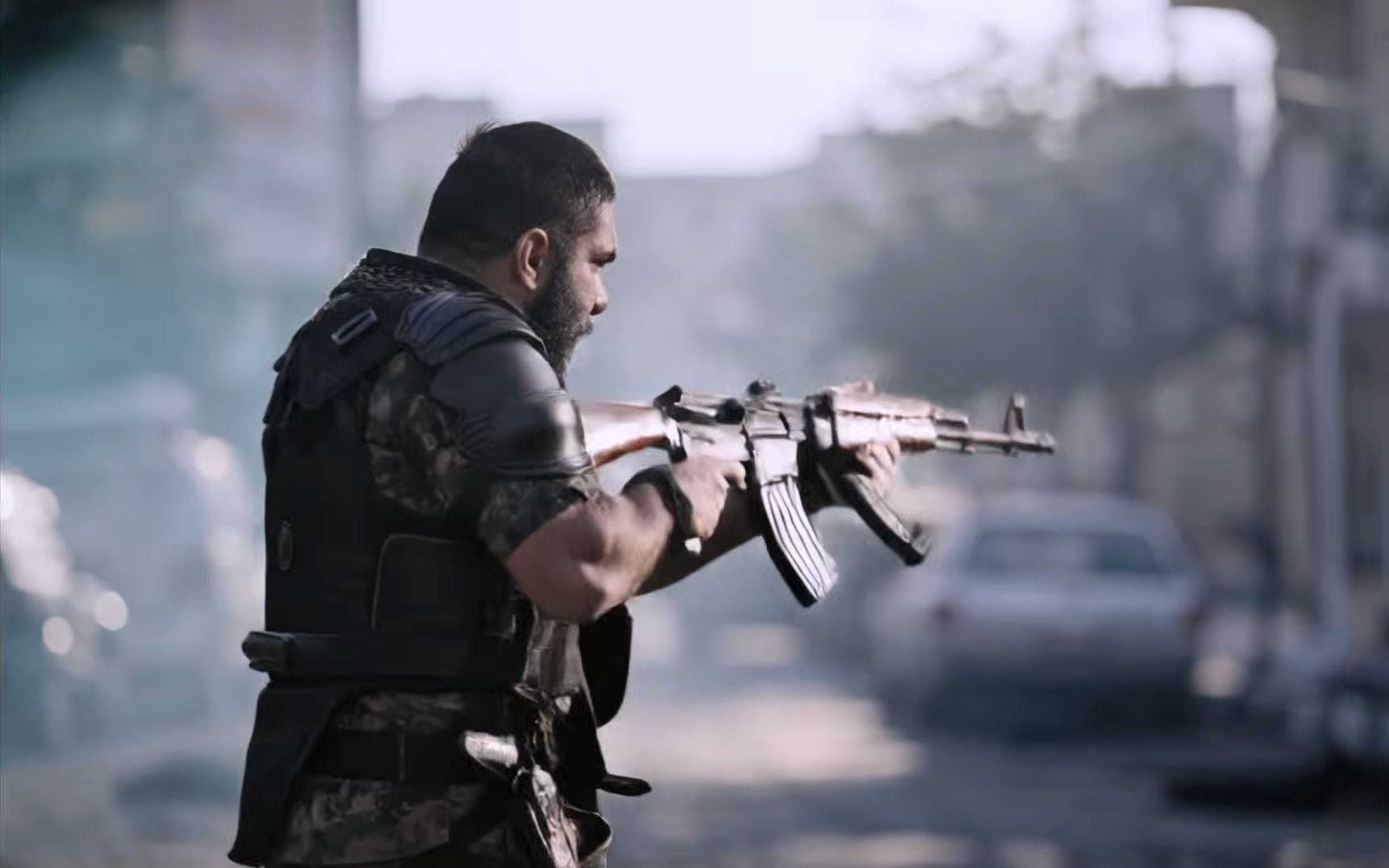
The recently released Iranian film Dream of Violets is 100% AI generated. None of the human characters in the film exist and yet it is shockingly convincing. Long gone are the days when AI generated hands had 7 fingers or went through walls, this is a new world we have already entered.
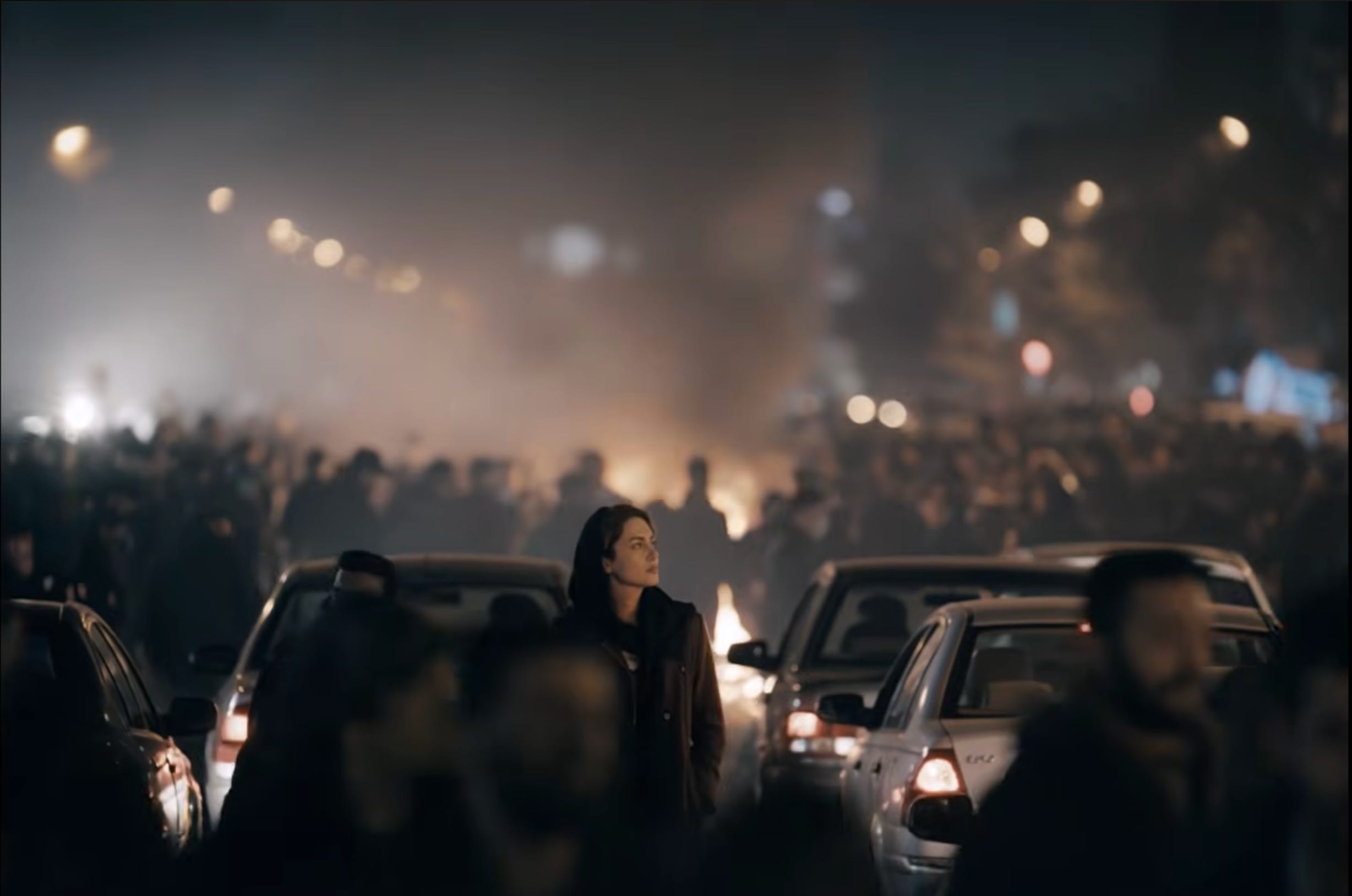
To shoot a film like this in Iran would be impossible anyway due to their weird, bronze age dictatorship, but even if it were possible, on a super lean budget, to shoot something this complex would be in the $300 to $500 thousand budget range. In all the productions I’ve been in, even that would be very hard to stick to, with post production you’re looking at a million with no fancy stuff.
To make a film like this on a Hollywood style budget, $30 $60 million.
The cost of making Dream of Violets has been reported to be $2,000.

I can’t help feeling the movie industry as we know is already dead.
The huge sums of money associated with making a movie or TV series isn’t just spaffed up the wall. It pays an enormous number of people who have often spent years slowly learning the ropes, people with real skills and incredible talent that work together to create something.
If I think of the crews that worked on the multiple series of Red Dwarf that I worked with, it’s literally hundreds of people. It’s now obvious that you could make a new series of Red Dwarf, which looks so much like the real human made series you wouldn’t notice, for a coouple of thousand. It’s just staggering.
The reason I chose to focus on Dream of Violets is it isn’t a superhero movie or some horror monster flick where a sabre toothed worm emerges out of a puddle of nuclear waste.
This movie recounts the murderous oppression of tens of thousands of young people who dared to defy the medieval freaks who have run Iran for the last 47 years.
Brothers Ash and Pooya Koosha created this film which is a fictional dramatization of events around the massacre of Iranian civilians last January. It’s a real human story about very dramatic events, and I repeat, it cost $2,000 to make.
I recently heard a Hollywood insider discuss how the old movie industry is under previously unimaginable pressure because of the sudden rise and incredible improvements in quality available through AI generated imagery.
Today, the average cost of shooting a TV drama for example, is between 200 to 300 thousand dollars a minute of screentime.
If you created something that looked, for all intents and purposes, the same using AI, it would cost about $25 a minute of screentime. Utterly impossible to compete with on a purely economic basis.
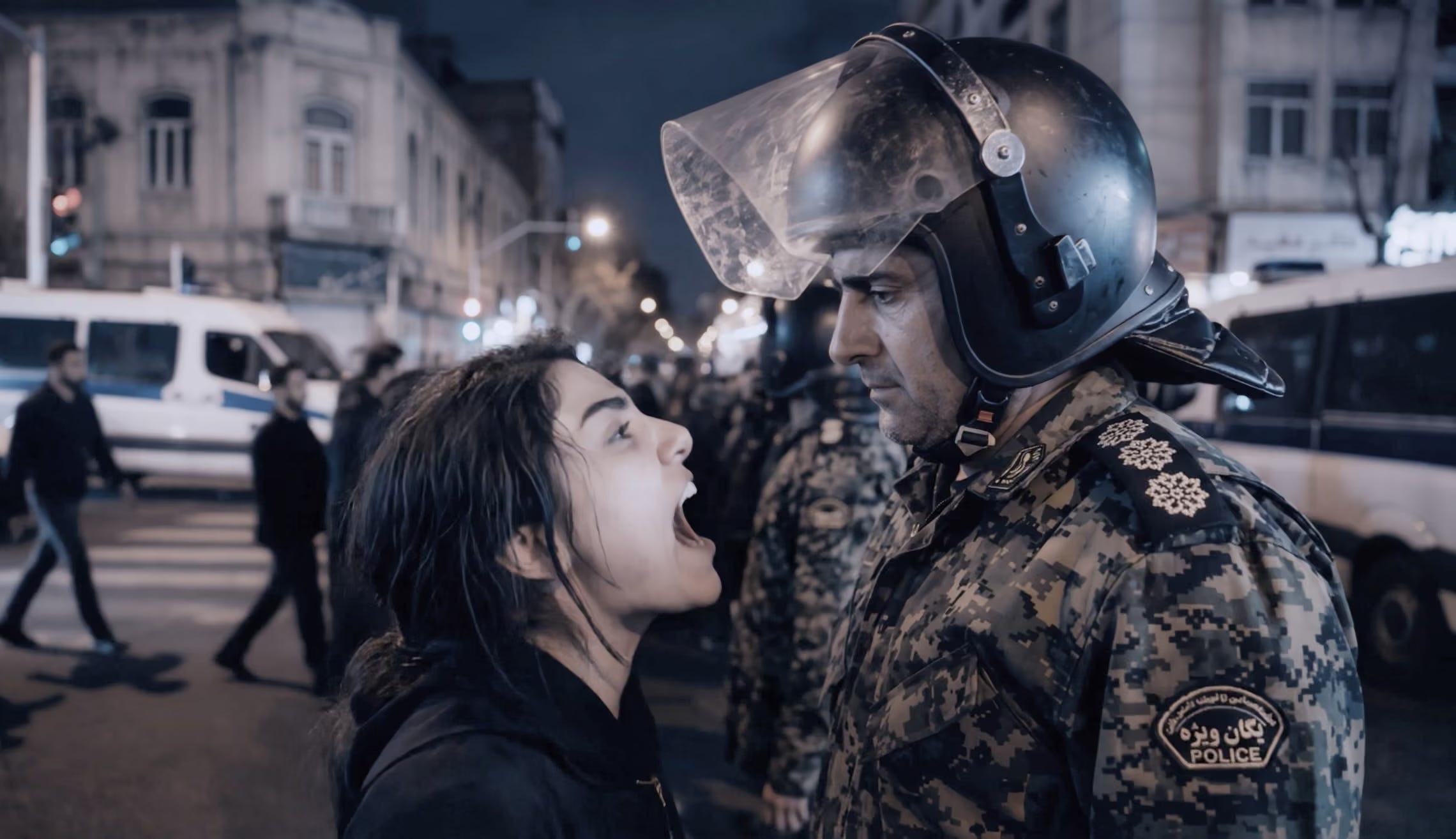
I am not saying for one moment that this film or any other is going to be as engaging or emotionally accessible as a film made by people, featuring human actors. I think there is something enormous missing when we know the whole thing has been generated by machines.
But this particular story would have been impossible to shoot in Iran, it would have been dangerous and prohibitively expensive to shoot outside Iran but with Iranian actors. The Iranian regime would hunt them all down and kill them, they really are not terribly nice chaps.
So I will try to see this film, but I think this is a massive challenge to storytelling. I want AI just to be the equivalent of the arrival of printing, the celluloid for films, vinyl for music, radio and television, VHS tapes, DVD’s and most recently broadband and streaming.
All of those technologies affected storytelling in one way or another, it feels like the arrival of AI is a massive new leap and I’m not sure we can tell yet where it’s going to lead.
And that incredibly cheap production cost has to ignore the massive, destructive impact of the manic build out of data centres in the USA. None of us can afford to ignore the impact these monsters are having, and may well have in our countries.
All that said, we’re not going to be able to put this stuff back in a box, we have to learn to live with it, resist the power it gives a literal handful of truly weird white blokes that own all of it, and insist on legislation to control the power they have over all of us.
In the meantime, do have a look at my little ZERO AI bookshop. The entire range is now available, a big box of freshly printed books arrived this very morning ready for the massive fulfilment team to get to work mailing orders out.
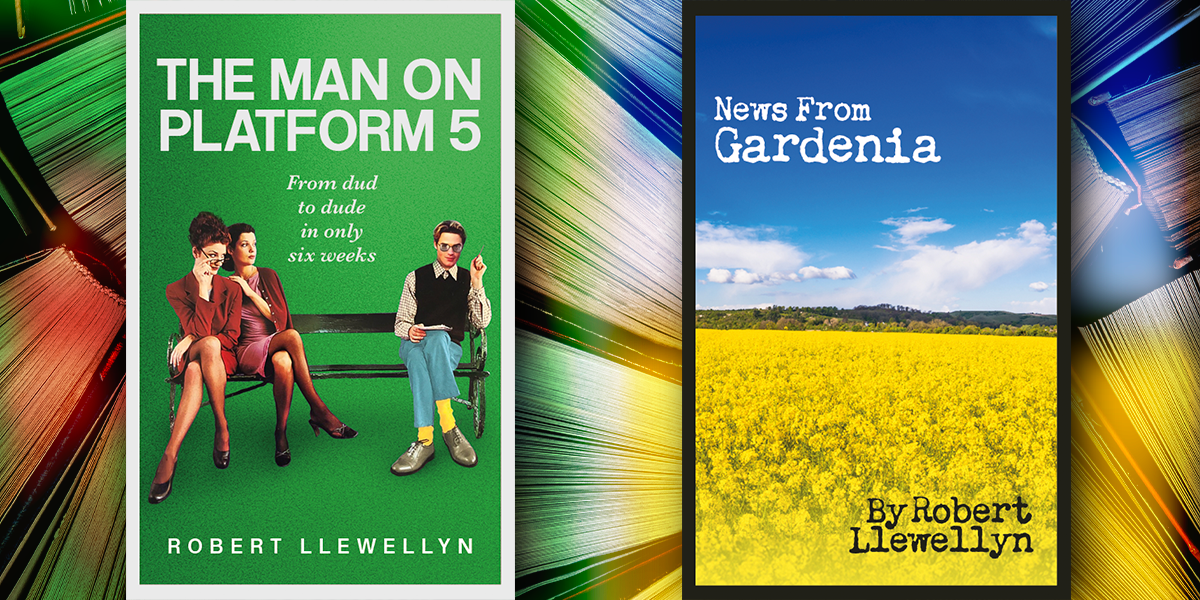
https://robertsmodernbookshop.bigcartel.com/
Toodle pip
They'll never get a robot to play a robot better than you Robert!
Like your desire to stop burning stuff please consider talking about the harms of burning wood in the home see www.mumsforlungs.org/about-air-pollution