Subsidies and Deadlines
How much do we really need them?

In the last 3 years, according to a recent poll, there has been a small global shift in opinion away from accepting the vast body of scientific evidence pointing to the impact human beings are having on the environment.
It could be fatigue with being hectored by know all scientists and eco activists, if you’re just an average person in a European country with a family, an old diesel car, gas central heating and two flights a year to go on holiday.
How attractive is it to hear you’re an awful person who’s making the world uninhabitable . . . and mainly uninhabitable for poor people in the South who you’ve never met and some people in the USA who suffer from massive fires and flood. I will suggest it’s not very appealing.

Most governments in Western countries outside the USA have some kind of mandate to try and reduced the massive level of greenhouse gasses we pump out every day, all starting out as very valiant efforts.
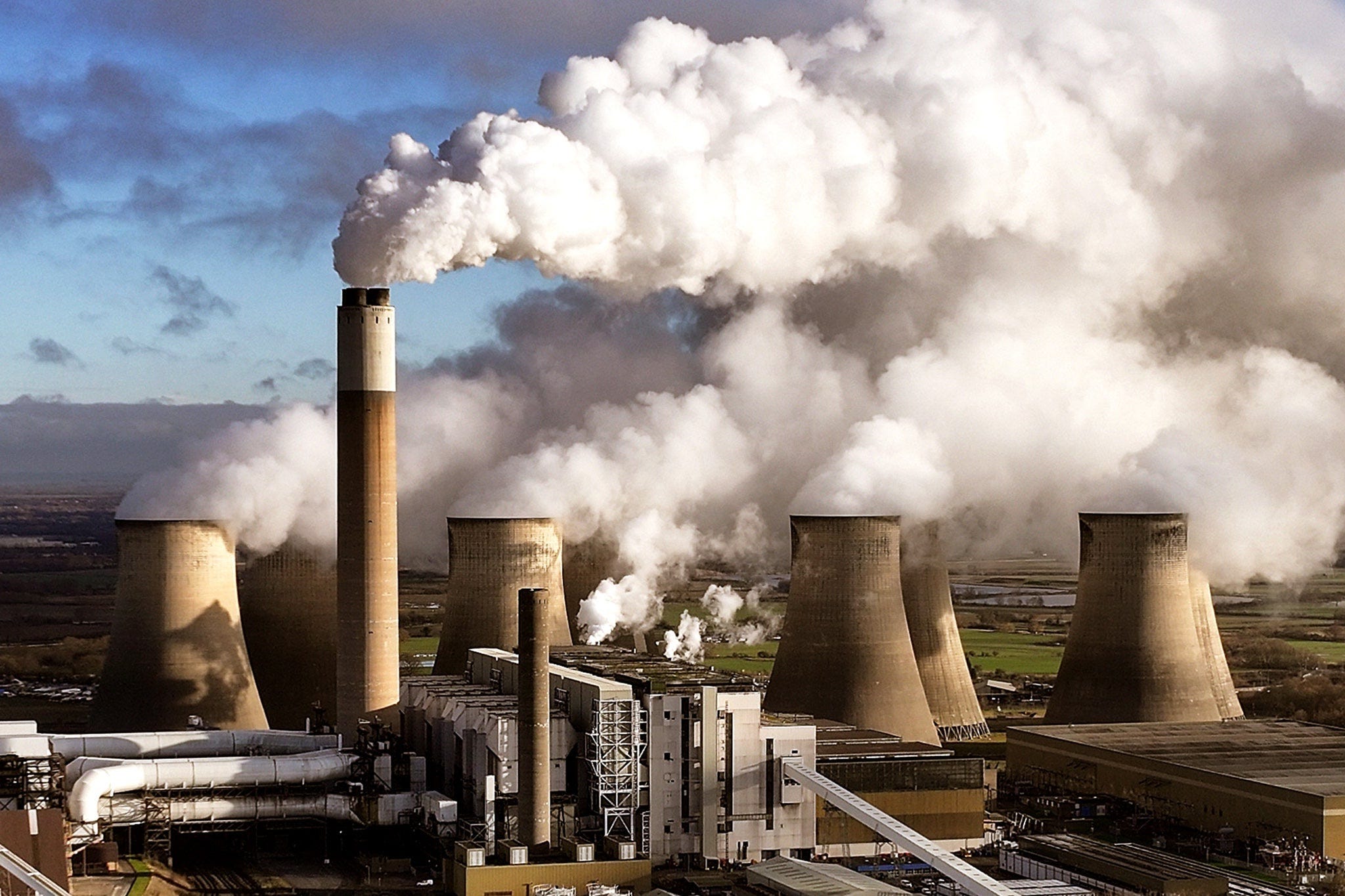
This is a change that generally benefits the vast majority of the population in terms of energy stability and cleaner air, but acts against the interests of the most powerful and active global industry and a handful of super wealthy nations.
Yes, it’s those good old fossil boys.
We now have a car industry that is facing unprecedented challenges, companies that have happily produced tens of millions of combustion engine vehicles for many decades are trying to change and I admit it’s really really hard.
It was hard enough 15 years ago when the batteries they needed were eye wateringly expensive. It’s possibly harder now with new companies like BYD and Tesla, Lucid, Rivian, Xpeng and many others who don’t have the legacy of manufacturing dirty old fossil burning engines.
They have all started with a clean sheet, and as battery costs have dropped to unimaginable low levels, the pressure on the old legacy brands has never been more intense
I am endlessly impressed with what companies like VW, Nissan, Hyundai and Renault are doing, coming up with really good vehicles that do appeal to a larger and larger number of possible customers, but they are fighting against a tide of really impressive cars from China.
That’s not news anymore, it’s just happening on a huge scale.
However, quite understandably some people are still reluctant to try a new technology. It’s not that different, it’s a car, you drive it along crowded, congested roads, you have to find somewhere to park the damn thing, and every now and then, you need to refuel it just like the old dated technology. It’s just quieter and much, much cleaner.
I happily argue that battery electric vehicles are better in every way than the old combustion technology, but I understand the reservations.
Although, it has to be said, the old clichéd reservations are becoming less and less valid.
Here’s my list of some rancid old chestnuts
You have to throw the battery away after a couple of years.
We now know you will never throw the battery away, you might throw the car away because it’s utterly knackered, but the battery will be fine for at least a million miles.
They cost much more than combustion cars.
No longer true and as of next year electric cars will start to be the cheaper option.
There’s nowhere to charge them.
Yes there is, in Europe (which includes the UK) there are hundreds of thousands of public chargers. You can drive from the arctic circle in Norway to Sicily and there are more chargers than you need along any route you take.
The technology is not static, it’s constantly improving, the charging times are shorter, the range of the cars is longer, and if you can charge at home (in the UK around 60% of households can) then the savings over the life of the vehicle are . . . well, about the cost of another vehicle.
So why then, do we need a politically contentious government subsidy to encourage people to buy an electric car?
And why do we need a date when our governments stipulate that manufacturers can no longer sell combustion cars. Electric cars are simply better machines. They certainly don’t solve all the transport problems we face, they still cause traffic jams, they take up space when parked in our cities, but they are much, much better than the vehicles we’ve all grown up with.
Now millions of people are driving them, in the UK we’ve just passed 1.6 million private electric cars on our roads. When I started waffling on about this topic, there were about 400.
In the EU there are approximately 11 million, I won’t bother talking about China, it’s hundreds of millions.
I am not opposed to the notion of subsidising electric cars for individuals, I am suggesting it paints a massive target for the fossil fuel industry.
‘Look, normal hard working people hate electric cars, that’s why the libs have to pay you to buy one.’
It’s so easy to say. Increasing legions of rabid extremists are coalescing around shallow populist politicians who happily and loudly reject the simple fact that burning 1.4 billion barrels of oil a day might be problematic.
Screw them, they are boring and wrong. My argument is simple, electric cars are a better, cheaper, longer lasting option, everything else is just static noise.
The problem we have is that noise is very loud because the energy and money and political leverage behind it is a monster, and it’s not going to back down.
In the UK, the 2030 mandate to ban the sale of new combustion engine vehicles has been hammered, battered and viciously gutted by determined, wealthy oil backed thugs who lie and browbeat fragile politicians for decades to keep their position of power, wealth and influence.
So I am of the increasing opinion that as more and more people drive electric vehicles, as more people sense the change in the air in cities, as more and more electric cars become 2nd and now 3rd hand and they’re still fine, we will shift regardless of what the tatty grifters and oil lobbyists scream and shout about.
And please tell me who buys a brand new car of any sort? I never did until I was nearly 60 years old, it wasn’t an option. I always had 3rd, 4th and 5th hand old bangers that broke down constantly and cost a fortune to service, fuel and maintain.
To finish, there are 4 big technologies that will become more common, cheaper and more widely accepted in the next 10 years regardless of what the frog mouth weirdo in the UK and the orange old man in the USA.
This four technologies are,
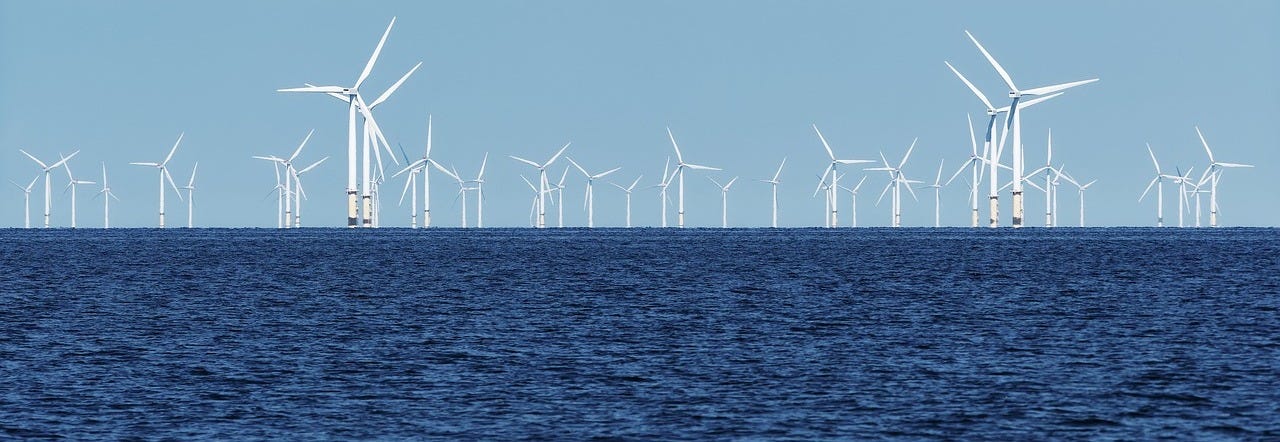
wind turbines,
solar panels,
batteries
and electric ground transport equipment.
There you go. I wonder how this will read in 2035
My grandsons are 10, 7 and 3. I suspect the younger 2 will never drive a manual transmission vehicle
In 2035 average Joe and Jane will wonder what the whole fuss was about. I confidently predict that the number of fossil fuel pumps across much of the world will be 50% less than today.